What Amenities Actually Drive Higher RV Park Revenue?
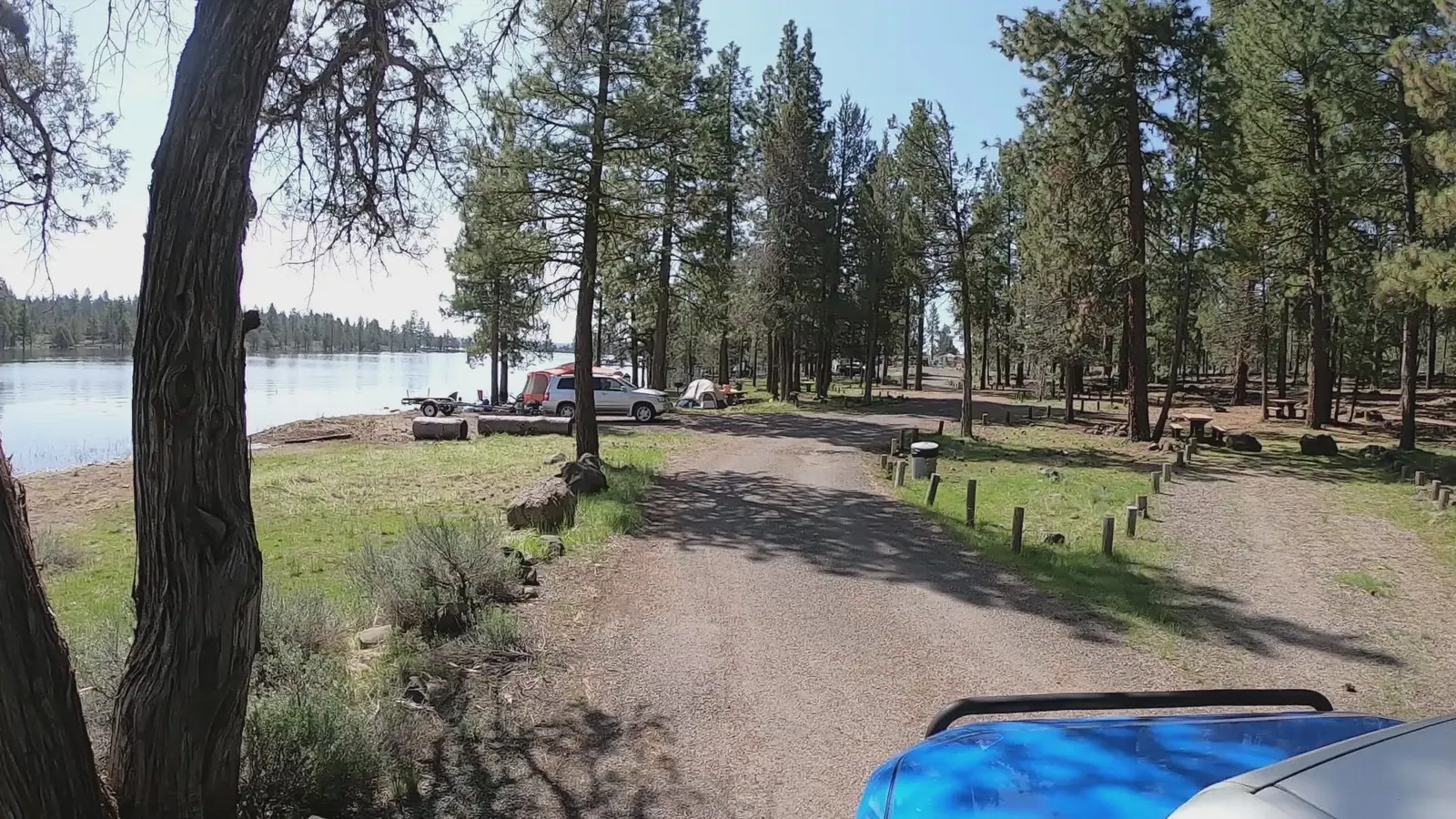
Public domain, via Wikimedia Commons
Some amenities let you charge more per night. Others keep sites full on Tuesdays in March. Very few do both, and the ones that get the most attention on Instagram (pools, mini golf, hot tubs) are often the weakest investments on a per-dollar basis. The amenities that move the needle on revenue tend to be unglamorous: reliable wifi, clean bathhouses, level pull-through pads, and full hookups that actually work. If you're deciding where to spend capital, the first question isn't "what looks good in photos" but "does this raise my rate, fill my calendar, or neither."
The short version
| Rate-driving amenities | Occupancy-driving amenities | |
|---|---|---|
| What they do | Justify charging $10-$40 more per night than a comparable park nearby | Fill sites during shoulder season or midweek that would otherwise sit empty |
| Typical examples | Full hookups with 50-amp, hot tub or pool, cabins/glamping units, waterfront or scenic sites | Fast reliable wifi, laundry, dog park, clean bathhouse, pull-through pads, on-site store |
| Typical cost range | $15,000 to $150,000+ depending on scope | $2,000 to $30,000 for most of these |
| Payback speed | Slower, often 3-7 years, and site-count dependent | Often faster, sometimes under 2 years, because it affects every site every night |
| Best fit | Destination parks where guests choose you over a specific competitor | Any park, especially ones with soft shoulder-season occupancy |
Where rate-driving amenities win
If your park sits near a lake, a national park entrance, or another draw that pulls travelers who are choosing a destination first and a park second, rate-driving amenities matter more. Guests in that situation are comparing you to two or three other parks in the same market and picking based on what makes the stay feel like a vacation rather than a stopover. A hot tub, a few glamping cabins, or waterfront sites can support a real premium in that setting, sometimes $20 to $50 a night over a basic site, because the guest isn't just buying a place to park, they're buying an experience.
These upgrades also tend to show up well in marketing and OTA listings, which matters if a meaningful share of your bookings come from search rather than repeat guests or word of mouth. A park with a pool and cabins photographs better and ranks differently in guest perception than a gravel lot with hookups, even if the hookups are the part that actually keeps the lights on.
The catch is that rate-driving amenities usually carry real ongoing costs. Pools need lifeguards or liability waivers and daily maintenance. Cabins need furnishing, turnover cleaning, and eventually replacement. A hot tub is a chemical and mechanical maintenance item every single day it's open. None of this means don't do it. It means the revenue lift has to clear a higher bar because the operating cost is higher too.
Where occupancy-driving amenities win
Most RV parks aren't destinations. They're stopovers, workamper bases, or monthly-stay parks serving travel nurses, construction crews, or snowbirds. For these parks, the guest has already decided to be in the area. The question is whether they pick you or the park down the road, and for that decision, boring infrastructure wins more often than amenities do.
Wifi that actually works is probably the single most complained-about issue in RV park reviews, and it's one of the cheaper fixes on this list, often a few thousand dollars for a proper mesh system and adequate bandwidth. Clean, well-lit bathhouses matter enormously for tent and smaller-rig guests who don't have their own facilities, and neglecting this shows up directly in review scores, which shows up in occupancy. Laundry facilities and a small dog park cost little to build and keep guests from leaving early or choosing a competitor next time.
Pull-through sites and properly leveled, well-drained pads also belong here. They're not glamorous, but they reduce guest frustration, reduce refund requests, and make word-of-mouth referrals more likely. A park that's easy to back into and doesn't leave guests in a mud pit after rain earns repeat business quietly, without ever showing up as a line item marketing could take credit for.
What this looks like in practice
In practice, most successful RV park operators end up doing both, but in a specific order. Fix the boring stuff first: hookups that work reliably, wifi bandwidth that matches actual guest load, bathhouses that are cleaned on a real schedule, and pads that drain properly. These are the amenities guests notice when they're missing, not when they're present, which is exactly why they don't get marketed but absolutely affect occupancy and reviews.
Once the basics are solid, rate-driving amenities become a market-specific decision rather than a universal one. A park near a lake or a well-known trailhead can often support a handful of premium cabin sites or a small pool because the local competitive set expects it. A park along an interstate corridor serving overnight-only traffic usually can't justify the same spend, because the guest is choosing based on location and price, not amenities, and won't stay long enough to use a pool anyway.
One pattern worth watching for: parks that add a big-ticket amenity before fixing the basics often see the new amenity underperform. A pool next to a bathhouse that guests complain about in every review doesn't fix the review problem, it just adds a maintenance cost on top of it. Sequence matters as much as the amenity itself.
FAQ
Do pools actually pay for themselves at RV parks?
Sometimes, but it depends heavily on climate, competitive set, and site count. In a market where competing parks have pools and yours doesn't, it may be a defensive necessity rather than a rate driver. In a market where no one has a pool, it can support a real premium. As a rough range, expect $30,000 to $100,000+ installed depending on size and permitting, plus ongoing staffing or maintenance costs that need to be underwritten honestly before assuming it pays back quickly.
What's the best amenity to add on a tight budget?
Wifi and site drainage or pad leveling tend to offer the best return per dollar spent, because they affect every guest, every night, and directly influence review scores. Neither is exciting, but both address the complaints that actually show up in guest feedback and booking decisions. If you're deciding where the next few thousand dollars goes, start there before considering anything guests would call an "amenity" in the marketing sense. If you're weighing a bigger capital decision like this across a whole portfolio, that's the kind of underwriting question Invest With Zac gets into in more depth.
Curious about RV park investing?
Learn how the asset class works before you put a dollar into it.
Learn more